
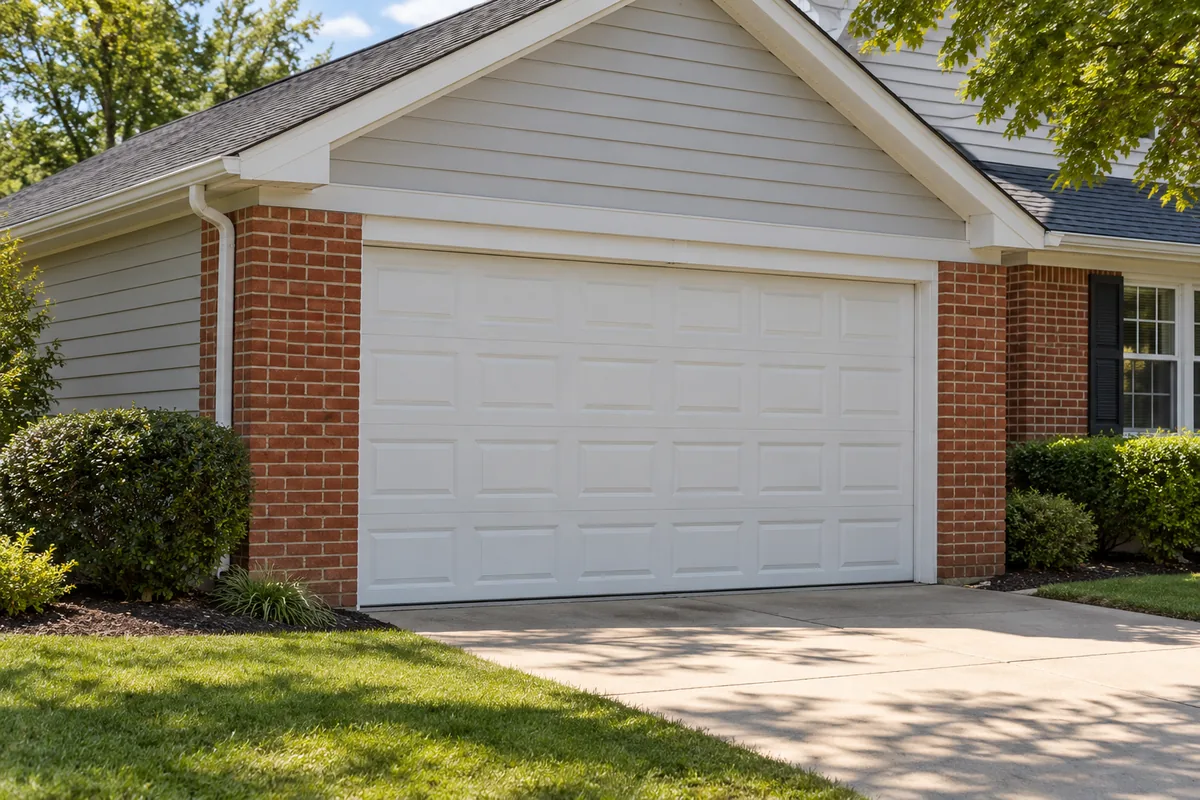
Pause when movement looks wrong
If the door is crooked, jerking or making an unusual noise, stop operating it. Keep people and vehicles out of the opening and away from the moving parts. Do not stand beneath a partly open door or try to make it run again to reproduce the problem. Describe the position you can already see from a safe place. A visible issue is enough to begin a repair conversation.
Describe the response you already observed
Did the door stay still, move a little, reverse or stop before closing? Did the remote fail while another control still worked? Explain what happened without dismantling anything or pulling on unfamiliar mechanisms. Springs and cables can hold dangerous tension, so leave those parts alone. The garage door or key guide helps organize observations without turning them into a do-it-yourself repair.
Make clear which entrance is affected
An overhead garage door, its remote and a keyed pedestrian door are separate things. A key problem at a side entrance may belong in a lock repair discussion even when the entrance leads into the garage. Say whether the garage is private or shared and who is responsible for it. If a vehicle is trapped inside, mention that as context without trying to force a way through.
Confirm the particular repair request
Give the property address and any visible equipment information you can read safely. Ask whether the described door and issue can be supported, what assessment is needed and what the estimate covers. Repair scope should be confirmed before arrangements are made; this page does not offer new door installation or establish support for industrial doors. If inspection changes the suggested work, ask for an explanation and revised cost before approving it.